John Florer
Killers of the Flower MoonJohn Florer was a Kansas frontiersman whose trading post and oil dealings placed him at two consequential thresholds in Osage history: the growing settler presence in Gray Horse settlement and the early development of oil on the reservation. His role was both practical and symbolic, as the store served local trade while becoming one setting in which Osage people were given English names by outsiders.
Trading Post in Gray Horse
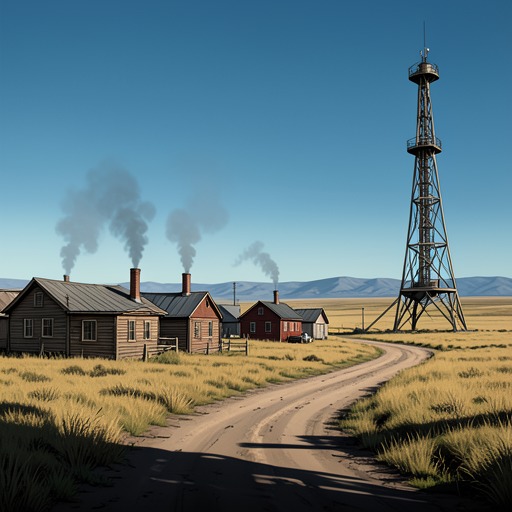
In the 1880s, Florer established the first trading post in Gray Horse settlement. Mollie's father, Ne-kah-e-se-y, often lingered in the shade outside, selling animal pelts. Mollie Burkhart came to know the son of a trader there; he was among the first white people she had seen. The post was therefore not only a place of commerce but also an early point of contact between Osage families and the settlers moving onto the reservation.
A trader's son later recorded how that contact altered names. A trader began calling Ne-kah-e-se-y Jimmy, and other traders adopted the name until it displaced his Osage name. His daughters, who visited the store, also received names there: Wah-kon-tah-he-um-pah became Mollie. The account does not establish that Florer personally bestowed these names, but his trading post was the setting for the transformation. In a culture where naming was an important ritual, the substitution registered a deeper change than a casual convenience.
Oil and the Reservation
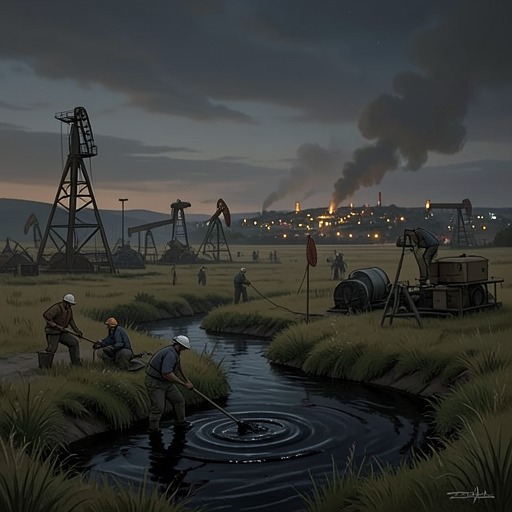
Florer also played a part in the discovery and early exploitation of oil. More than a decade after establishing his post, an Osage man showed him a rainbow sheen on a creek in the eastern part of the reservation. The man collected some of the liquid by dabbing it with a blanket and squeezing it into a container. Florer thought it smelled like the axle grease sold in his store, then hurried back with the sample to show others, who confirmed that it was oil.
With the tribe's approval, Florer and a wealthy banking partner obtained a lease to drill. Few then understood the scale of the resource beneath the reservation. By the time of the 1906 allotment negotiations, however, several small wells were operating. The Osage secured tribal control of the oil and other minerals in the allotment agreement, while Florer's early lease marked the transition from an observed seep to drilling. His recorded place in that transition connects the everyday world of the trading post to the mineral wealth that would reshape the reservation.